
Running Dry
There's a growing struggle over America's most overlooked strategic resource.

When prospectors flooded California in search of precious metal during the mid-nineteenth century gold rush, they unknowingly laid the foundations for a legal system that still governs much of the American West today. In the arid landscapes beyond the Mississippi, water could not be allocated under the traditional riparian system used in the eastern United States, where water rights were tied to land ownership. Instead, miners developed a new principle out of necessity: the first person to divert water and put it to a “beneficial use” acquired a legal right to it. The doctrine became known as prior appropriation—first in time, first in right.
That principle became the foundation upon which the American West was built.
Congress reinforced it with the Reclamation Act of 1902, launching one of the largest hydraulic engineering projects in history. Dams, reservoirs, canals, and aqueducts transformed deserts into productive farmland and made it possible for cities to flourish where nature had provided little water of their own. A few years later, Los Angeles demonstrated just how far that logic could go, quietly acquiring water rights in the Owens Valley before constructing an aqueduct that diverted an entire watershed more than 200 miles south to fuel the city’s expansion.
The backlash was fierce. Ranchers and farmers, convinced that Los Angeles had stolen their future, repeatedly sabotaged sections of the aqueduct with dynamite during what became known as the California Water Wars. The transfer of water was never simply about water. It was about wealth, power, and who got to grow.

By 1922, confidence in America’s ability to engineer nature had reached its peak. The Colorado River Compact divided the river among seven states using flow estimates from an unusually wet period, allocating more water than the river actually holds. It was an extraordinary act of optimism, one that assumed tomorrow’s water would always resemble yesterday’s.
For much of the twentieth century, these decisions looked like triumphs of engineering and ambition. But as the climate shifts and the demand grows, the "first in time, first in right" mentality is colliding with a much harsher reality.
More than a century after those initial compacts were signed, the American West is no longer just managing a fluctuating supply; it is facing a structural deficit. In early 2026, the United Nations University Institute for Water, Environment and Health published a report warning that the world had entered a new phase of water scarcity. Its central conclusion was striking:
“The world has moved beyond a water crisis and into a state of global water bankruptcy”.
The choice of words was deliberate. A crisis suggests a temporary disruption from which recovery is possible. Bankruptcy implies something far more structural. According to the report, water bankruptcy occurs when societies withdraw and pollute freshwater faster than rivers, lakes, and aquifers can naturally replenish it, while simultaneously degrading those systems to the point where recovery becomes increasingly difficult—or, in some cases, impossible.
The American West is the epicenter of this depletion: the Colorado River has experienced decades of declining flows, Lake Mead and Lake Powell have lost a substantial share of their storage, and the Ogallala Aquifer is being drained at an unsustainable rate.
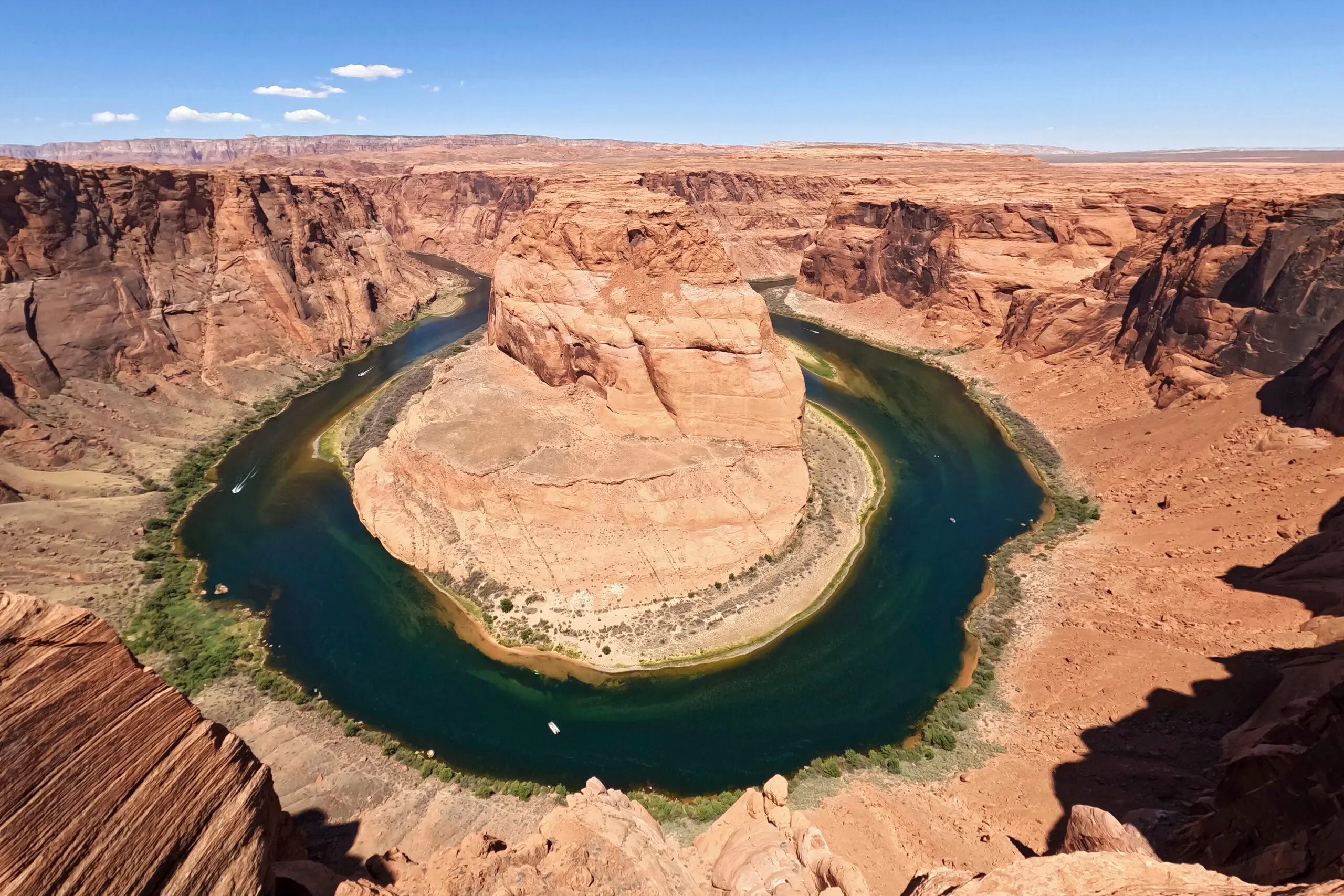
If the 20th century was a battle between farmers and cities, the 21st-century conflict is far more complex. The “pie” of available water is shrinking fast, but the number of hands reaching for it is increasing.
For decades, water policy revolved around a single question: how do we grow more food? According to the United States Geological Survey (USGS), irrigation still accounts for by far the largest share of freshwater use in the United States. For more than a century, that made perfect sense: the American West was built around agriculture, and its infrastructure was designed to prioritize the field over the factory.
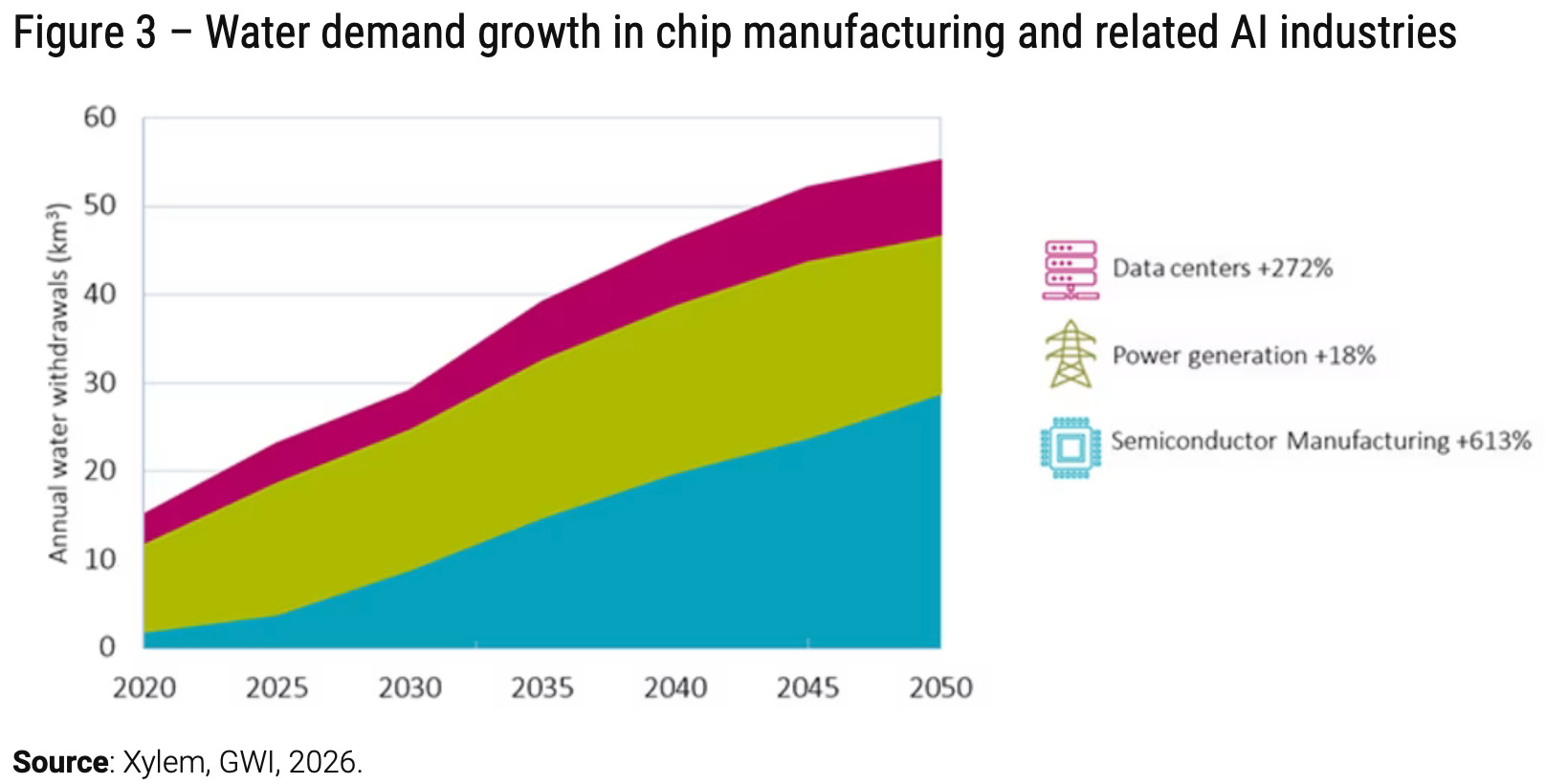
Increasingly, however, that is no longer the only question. The United States is in the midst of its largest industrial expansion in decades, fueled by the CHIPS Act and the race to build AI infrastructure. These new industries—semiconductor manufacturing and hyperscale data centers—are among the most water-intensive industrial activities in the modern economy.
This shift creates an uncomfortable collision between the historical priority of agriculture and the strategic imperative of leading the global technology race.
Few projects illustrate this shift better than Taiwan Semiconductor Manufacturing Company's (TSMC) semiconductor campus in Phoenix, Arizona.
The choice of location is striking: Arizona is drying out faster than any other state in the United States. The tension became impossible to ignore after state officials suspended approvals for an estimated 500,000 new homes in 2023 because groundwater supplies could no longer satisfy Arizona's 100-year water assurance requirements. Yet shortly thereafter, the state approved the massive expansion of TSMC's campus.
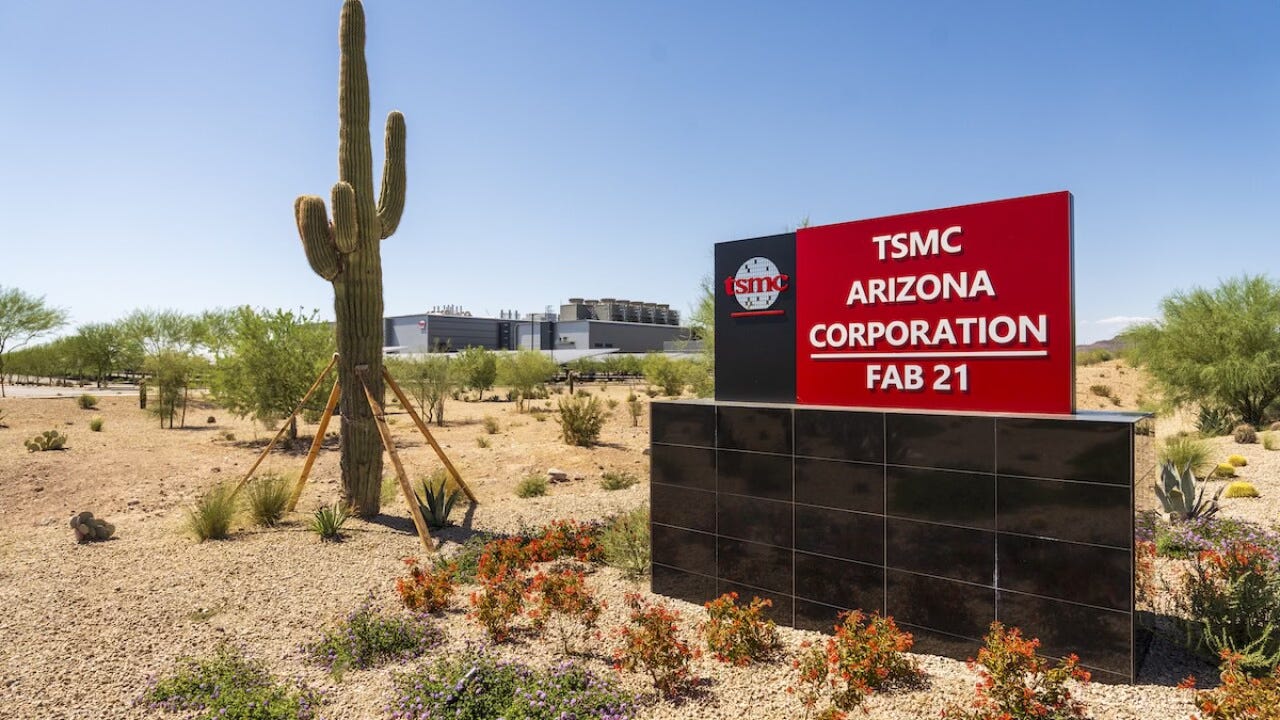
The question, then, is obvious: why prioritize a fab over housing development—or, more broadly, why does tech get a seat at the table while farmers may face cutbacks?
The answer lies in a cold economic calculation. Agriculture remains the world's largest consumer of freshwater, accounting for roughly 70% of global withdrawals. Yet measured in economic output generated per unit of water, it ranks among the least productive sectors of the modern economy (according to World Bank data). Semiconductor manufacturing occupies the opposite end of the spectrum. Although highly water-intensive, it generates vastly greater economic value from each liter consumed, giving governments facing structural water scarcity a powerful incentive to allocate water toward high-value industry rather than agriculture.
To a state government facing a structural water deficit, this creates an irresistible incentive to prioritize industrial expansion over the agricultural sector. One massive chip fabrication plant offers the state far more in tax revenue, job creation, and geopolitical influence than thousands of acres of farmland could provide under the same water constraints.
However, this efficiency comes with a dangerous trade-off. Arizona’s massive TSMC campus serves as the ultimate test case for this strategy. To secure their water allocation, the company has pledged to recycle 90% of its process water by 2028, effectively betting that technological sophistication can mask the physical reality of a drying desert.
Arizona is essentially betting that it can maintain its industrial engine without further depleting the water traditionally reserved for the land. If this bet fails, the state will be left with stranded industrial infrastructure while residential development remains frozen in limbo, and agriculture faces an increasingly difficult trade-off.
Artificial intelligence introduces a different, more elusive source of demand. Ironically, the majority of America's planned AI infrastructure is expected to be built in drought-hit regions. Hyperscale data centers require vast cooling systems, and while several companies argue that newer facilities consume relatively little water thanks to closed-loop cooling systems, that captures only part of the picture. A recent Wall Street Journal investigation found that the power plants supplying electricity to these facilities can consume many times more water than the data centers themselves. AI's hidden water footprint, therefore, extends well beyond the server hall and deep into the energy grid that powers it.
As competition for an increasingly finite supply intensifies, a legal entitlement to water has evolved from a simple resource right into one of the planet's most coveted economic assets. Financial markets are now formalizing this scarcity, transforming a basic necessity into a tradeable commodity.
This institutionalisation of water began in 2020, when CME Group launched the world's first water futures contract. The contract tracks the price of water rights leases and sales across California's five largest and most actively traded regions, allowing market participants to hedge against growing water scarcity. Meanwhile, private equity funds and large utilities have been aggressively acquiring water rights across the American West, increasingly viewing them as strategic long-term assets.
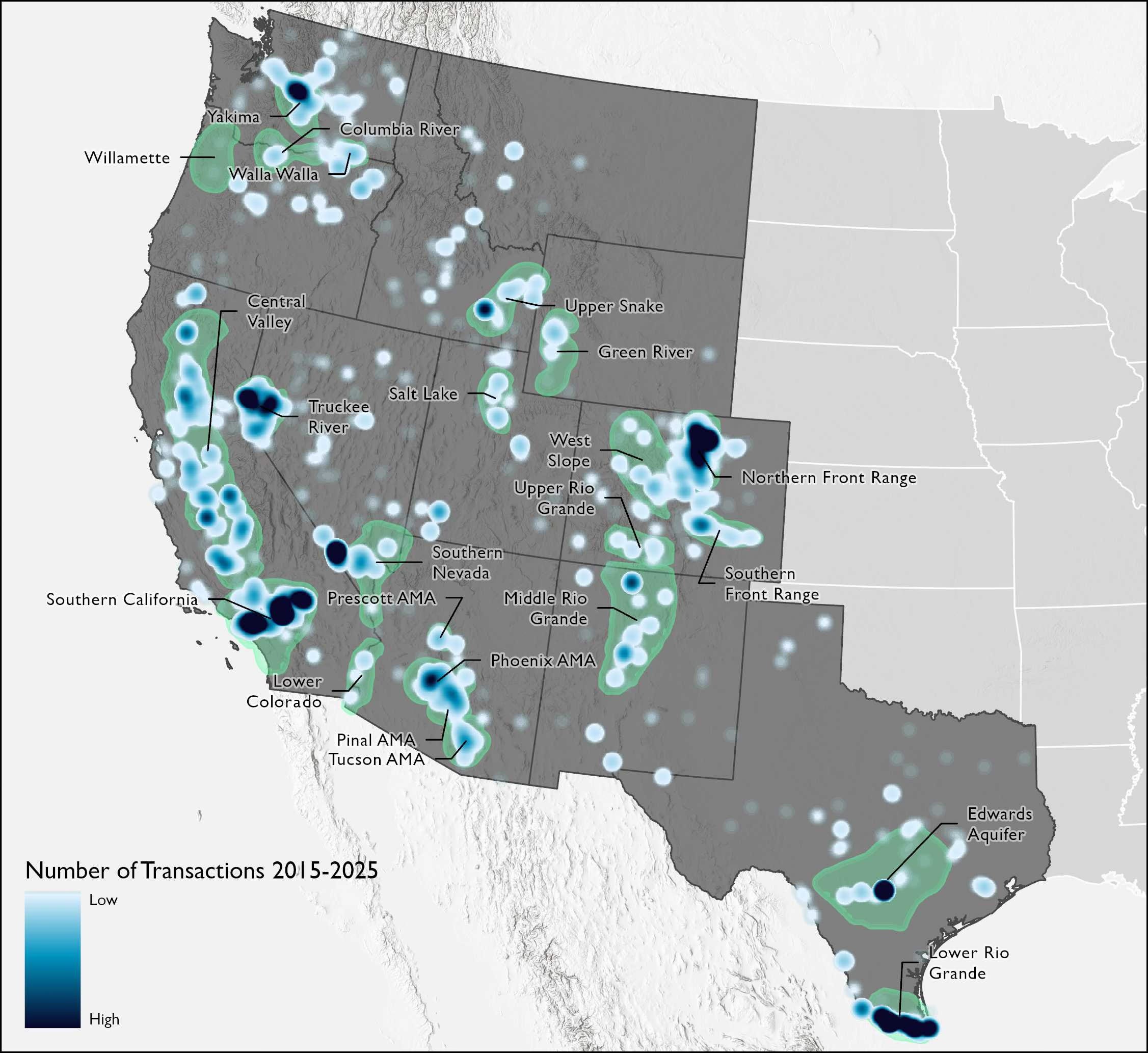
This investment wave is also reshaping ownership of water infrastructure and water rights. The planned merger between American Water Works and Essential Utilities will create a utility with an enterprise value of roughly $65 billion, serving around 20 million people across 17 states. Alongside this consolidation, investment funds have reportedly earmarked more than $100 billion to acquire water rights, viewing them as strategic long-term assets.
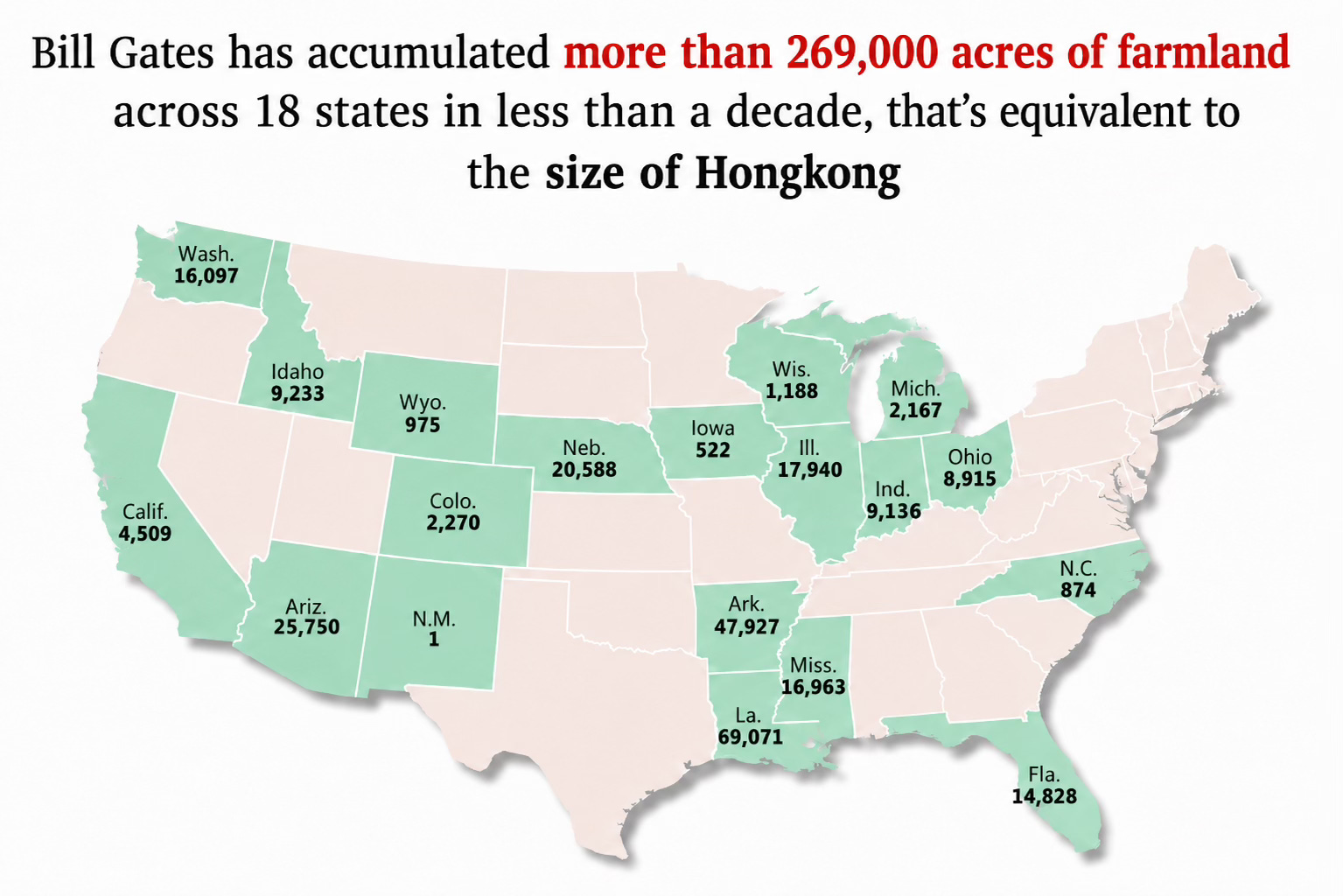
The Colorado River Basin has become a focal point of this strategy, where firms such as Water Asset Management have acquired land largely for the embedded water rights. Similar logic can be seen in Washington State, where Bill Gates’s agricultural holding company purchased 14,500 acres of irrigated farmland, with the embedded water rights representing a significant part of the asset’s value.
Neither investment is solely about farmland. Both reflect a broader shift in strategic thinking: in a water-constrained world, ownership of land increasingly matters because it provides access to the resource that determines what can still be produced.
There is a profound historical irony here.
The legal principles that emerged during the California Gold Rush were designed to settle disputes between prospectors competing for water. More than a century later, those same principles are quietly determining who secures access to one of the twenty-first century's most strategic resources. The dynamite has been replaced by financial markets, infrastructure funds, and strategic acquisitions, but the underlying logic remains remarkably familiar.
When scarcity becomes permanent, the greatest advantage belongs not to those who need the water most, but to those who already control it.
If you enjoy connecting the dots behind the headlines, subscribe for free. New essays land straight in your inbox.
📨 If you think someone would enjoy this, send it their way!
Thank you for sharing this interesting article.
Surely, in wealthy countries at least, nuclear and solar powered desalination plants can fix this issue?
LF
i think this all happened because for the most part datacenter tech has been behind because it was "good enough" then ai demand just showed how unscalable it was all oversudden, but i think once the hype dies down the need for this much compute will die out and the problem will largely self regulate