
Closed Loop
Cuba is the final, essential piece in the total control of the Western Hemisphere’s energy basin.

This week, the Hong-Kong flagged Sea Horse—carrying 200,000 barrels of Russian diesel—abandoned its phantom-drift in the Atlantic to seek refuge in Venezuela. This logistical white flag marks the failure of Moscow’s last effort to breach an intensifying U.S. energy blockade. While the Kremlin played a vintage game of naval cat-and-mouse, Washington had already changed the board. Just twenty-four hours before the Sea Horse retreated, the United States surged fuel exports directly to Cuba’s nascent private sector.
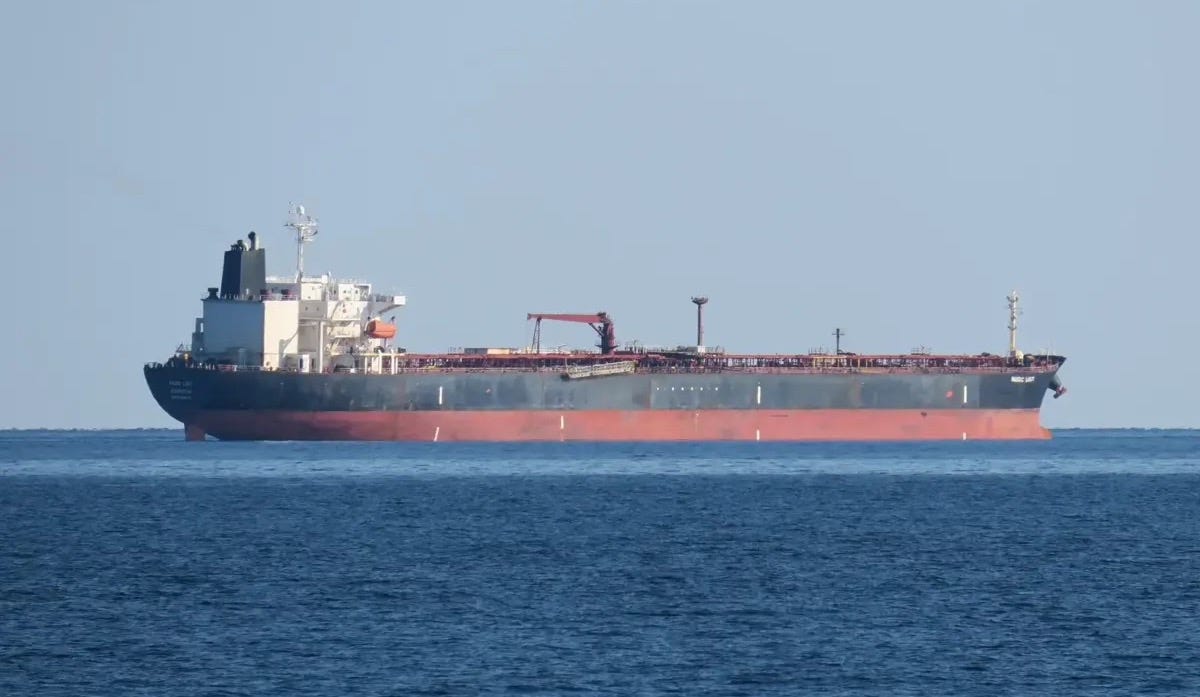
By feeding independent entrepreneurs while starving the state apparatus, Washington has executed a short-circuit. Moscow is providing a symbolic bandage to a dying regime, Washington is installing the plumbing for a new, integrated economy. To understand the true gravity of this maneuver, one must look past the immediate blackout.
Cuba is not an isolated island, but the final, essential puzzle piece in the total control of the Western Hemisphere’s energy basin. This strategic obsession is not a relic of the Cold War, it is a fundamental requirement of hemispheric geography.
Long before the first missile silo was dug in the 1960s, the logic behind the Monroe Line was already in motion. In the early 19th century, Washington’s determination to keep European powers out of the Caribbean was driven less by democratic sentiment than by hard strategic geography: whoever shaped the basin shaped the maritime approaches to the Mississippi and, by extension, the interior of the North American continent.
By the time the world neared the second Great War, the Roosevelt administration had formalized the Pan-American Security Zone, essentially declaring the Caribbean the absolute keystone of continental defense.
In the mid-20th century, this security was anchored in carbon. American refining giants effectively managed the island’s energy heart, ensuring that the Cuban economy functioned as a downstream extension of the Texas and Louisiana oil fields.
This symbiotic circuit was violently severed by the 1959 Revolution. When the new revolutionary government nationalized American-owned refineries, it didn't just change the political guard in Havana, it tore a hole in the American energy perimeter. For the next sixty years, the embargo acted as a holding action—a multi-generational effort to prevent a hostile power from using that gap to threaten the Gulf.

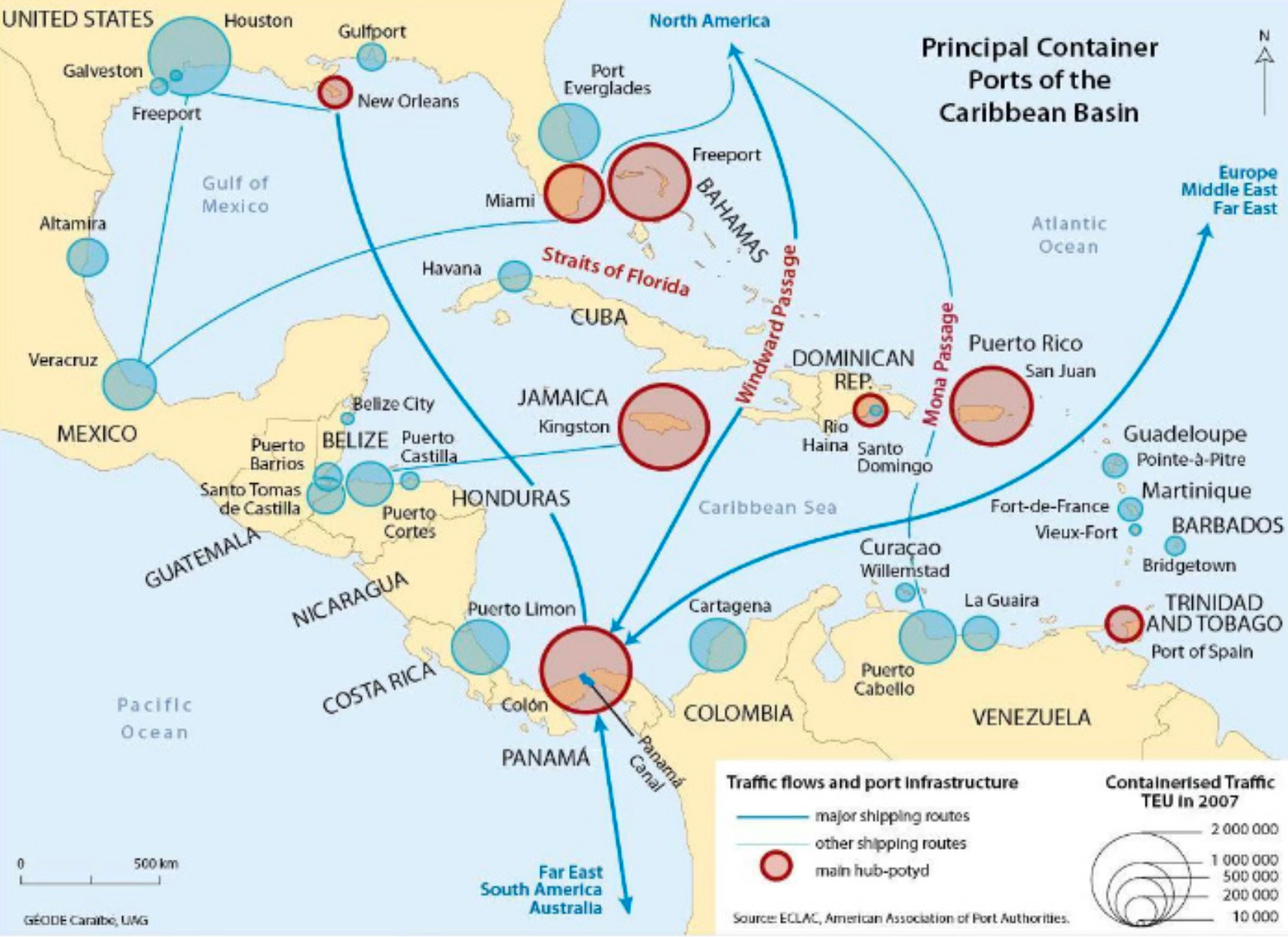
Today, that holding action has shifted into an offensive phase of total displacement, centering on the body of water stretching from the Texas coast to the Florida Straits: what the current administration has aggressively rebranded as the Gulf of America.
As the world’s most critical energy artery, the Gulf of Mexico is where the United States has spent the last decade transforming itself into a global powerhouse, fortified by the shale revolution. In this strategic geometry, Cuba remains the structural outlier. It sits at the absolute threshold of the Atlantic gateway, commanding the deep-water channels through which millions of barrels of crude must flow every single day.
This reality was codified over a century ago by Rear Admiral Alfred Thayer Mahan, the father of modern naval strategy. Writing at a time when Cuba was still a central jewel in the crown of a fading Spanish Empire, Mahan identified the island as a unique logistical fortress whose possession by any foreign power constituted a permanent threat to the American heartland:
"Cuba presents a condition wholly unique among the islands of the Caribbean and of the Gulf of Mexico; to both which it, and it alone of all the archipelago, belongs... Its many natural harbors concentrate themselves into three principal groups... [conveying] the power of shifting operations from side to side, and finding refuge and supplies in either direction.
The extent of the coast-line and the many directions from which approach can be made minimize the dangers of total blockade."
Because of this unique physical footprint—specifically its massive scale and its immediate reach to the Florida coast—Cuba is a geographic inevitability. It is impossible to assert American dominance over the Western Hemisphere without first securing this specific piece of land.
America’s willingness to act on this imperative was formalized during the Spanish-American War of 1898. While the destruction of the USS Maine in Havana harbor served as the emotional catalyst that mobilized public opinion, it was the culmination of decades of strategic friction.
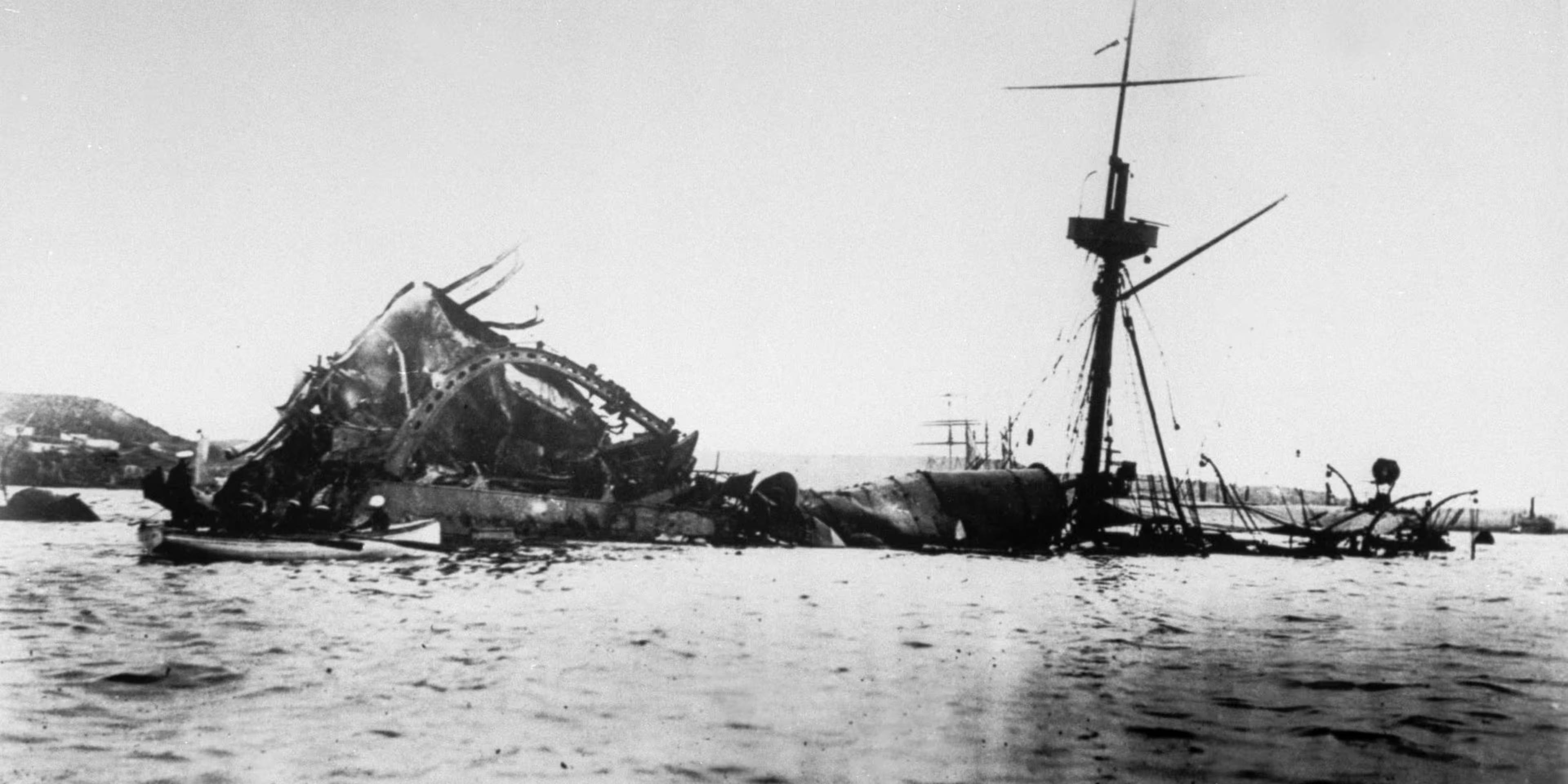
The war that followed didn't just push Spain out of the hemisphere, it was the moment Washington decided it would never again tolerate a rival power managing the gates to its heartland.
Today, Washington is repeating that script, shifting to a selective, market-driven encirclement. Whoever dominates this island holds the systemic leverage to choke or channel trade, refine or restrict flows, and safeguard or sabotage the infrastructure that powers the entire hemisphere.
Beyond the strategic harbors, the value of Cuba as a territory lies beneath the waves in what geologists call a "Super Basin." Research from the University of Texas Institute for Geophysics confirms that the Gulf of Mexico’s unique geological history—beginning 200 million years ago with the breakup of Pangea—created a prolific hydrocarbon environment that is far from exhausted.
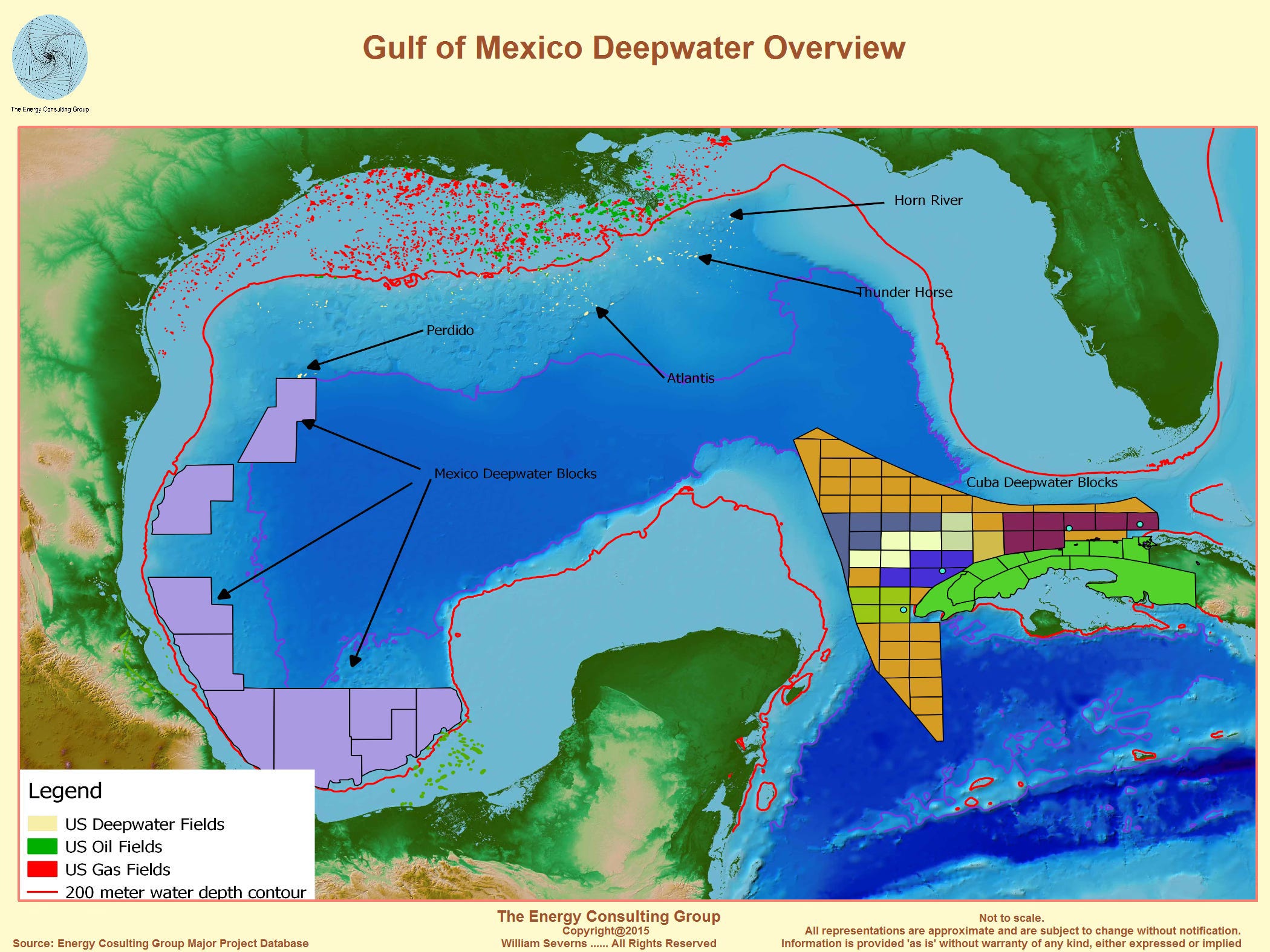
The secret lies in the salt. Ancient, thick layers of salt act as a moderate for heat, keeping hydrocarbon sources viable at extreme depths, while simultaneously serving as an impenetrable seal for massive oil columns. The North Cuba Foreland Basin, an extension of this geological miracle, is estimated to contain upwards of 4.6 billion barrels of undiscovered crude oil and nearly 10 trillion cubic feet of natural gas.
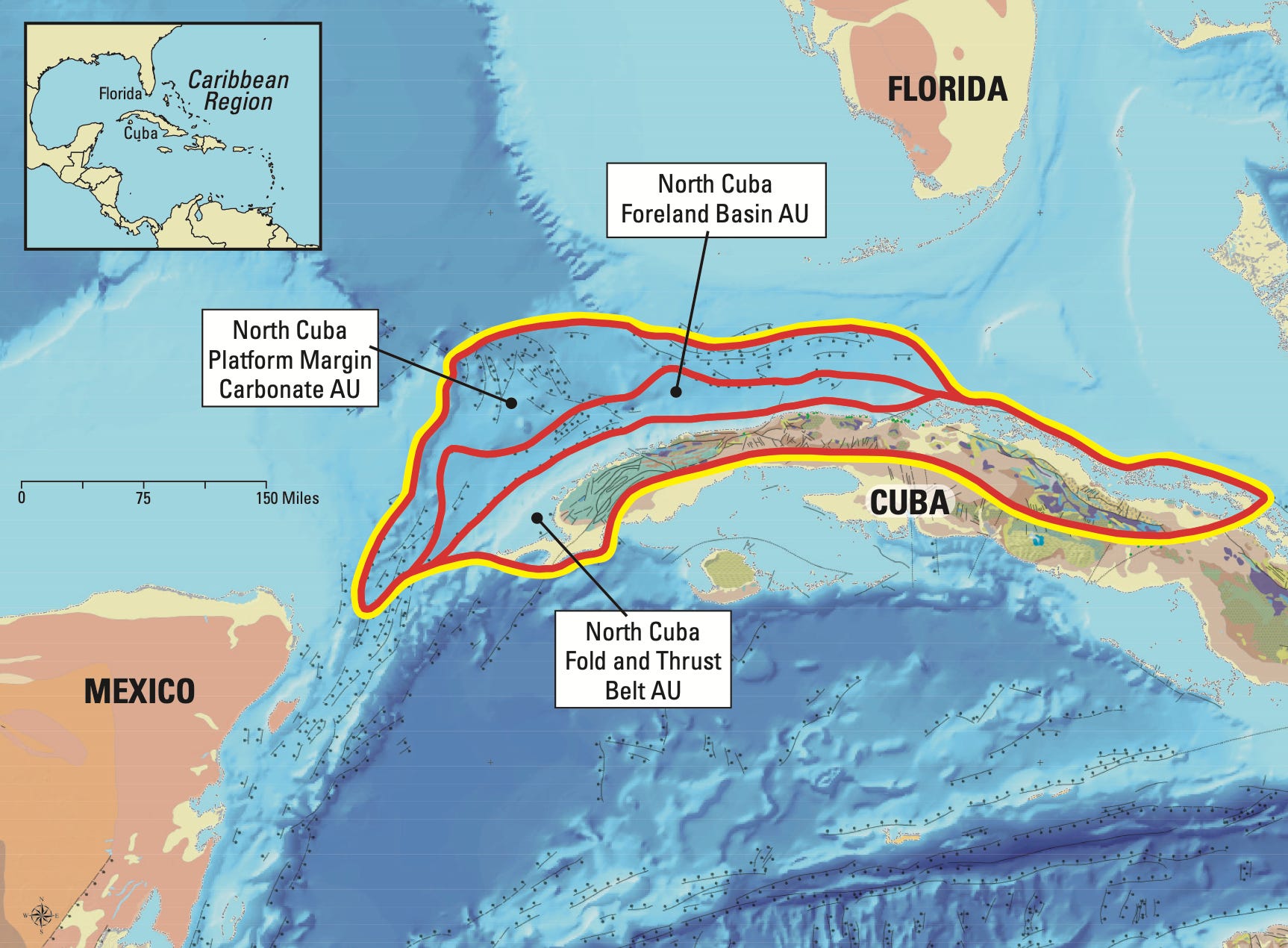
For decades, these reserves were shielded by a salt canopy that blinded seismic imaging and by an embargo that starved the regime of the deep-water technology required to pierce it.
However, in a world defined by near-shoring and the need for high-efficiency production, these offshore fields are the ultimate prize. The corporate memory of this prize has never faded; as of February, Exxon Mobil continues to petition the U.S. Supreme Court for compensation over the 1960 nationalization of its oil and gas assets, Reuters reported, after having already sued Corporación CIMEX in 2019 for profiting from those same confiscated properties:
“ExxonMobil, opens new tab argued at the U.S. Supreme Court on Monday that it is entitled to compensation for property seized by the Cuban government in 1960, a case that inserts the justices into U.S.-Cuban relations at a particularly fraught moment.
The justices heard arguments in two cases concerning the scope of a 1996 U.S. law called the Helms-Burton Act. That law’s Title III provision permitted lawsuits in U.S. courts against anyone who “traffics” in property confiscated by Cuba’s communist government after the 1959 revolution that brought Fidel Castro to power.”
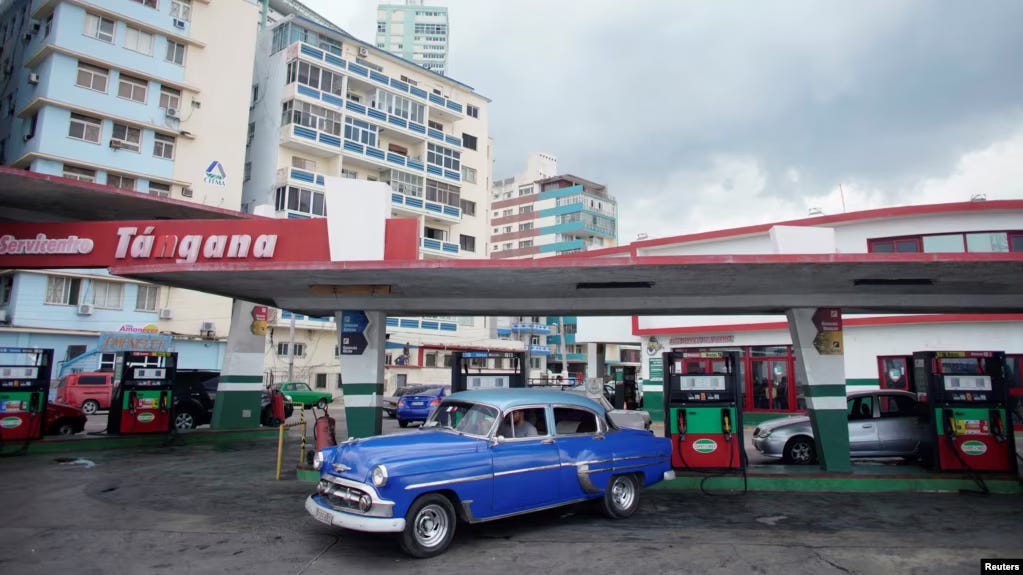
This legal battle is not mere litigation, it is a placeholder for future title. A legal flag planted in the seabed for the day the blockade finally lifts.
By securing this basin, the U.S. doesn't just gain incremental barrels, it denies rivals like Russia’s Rosneft and China’s Sinopec the ability to exploit the Southern Gulf’s deep-water potential, which only recently became accessible to international imaging.
This is vital because the threat is already tangible at the edges of the hemisphere. As analyzed in Undefined Horizon, China’s CNOOC is already deeply embedded in Guyana’s Stabroek block—a massive reserve directly competing with American interests. Washington is determined to prevent a similar eastern expansion in its own backyard, Cuba is the final barrier.
This shift in technical and cost dynamics has allowed the traditional trade embargo to evolve from a static wall into a sophisticated filter. By allowing U.S. diesel to flow through ISO tanks in the port of Mariel directly to private enterprises while strictly blocking state-owned tankers, Washington is conducting a zero-sum experiment in systemic subversion.
This is a bottom-up energy integration where every gallon of American diesel that powers a private Cuban delivery truck is a gallon of Russian influence removed from the board. When the island’s economic survival becomes tethered to the logistics of its northern neighbor, the regime’s monopoly on power dissolves through the relentless logic of supply chains.
Ultimately, the endgame is the total consolidation of the Western energy basin. The 2026 energy siege of Cuba is the final stage of a multi-decade effort to ensure that no extra-regional power can ever again threaten the American energy jugular.
The Russian tanker Sea Horse was a ghost of a previous century’s strategy, a failed effort to breach a house where the owner has already changed the locks. While Moscow measures its success in tons of crude and China tests the flanks via Guyana, Washington is measuring its success in the total integration of the Caribbean gateway.
As the Gulf of America becomes a closed loop, the era of ideological conflict is being replaced by the Era of Energetic Hegemony. Although Havana has recently signaled an openness to dialogue, Trump continues to double down on his “honor” to eventually take over the island, making a decisive next step inevitable. Cuba is the last variable.
Once it is solved—not by the barrel of a gun, but by the flow of a barrel—the Gulf of America will finally be fully integrated, under new management.
Subscribe to receive my posts directly in your inbox and support my work!
Share this with anyone if you think their attention span can survive more than two paragraphs — and if not, send it anyway. 📨
A Strong piece, especially the way you tie geography, energy, and history into a single frame. It made for an interesting read. There’s a clear throughline here around basin control and the shift from containment to integration.
One layer that adds complexity is how the internal circulation of that fuel plays out once it enters Cuba. The piece frames supply access as the key lever, but the downstream question is how those flows are mediated locally. If the private sector can operate with relative autonomy, the dynamic you describe compounds over time. If not, and distribution remains partially intermediated, the effects may be slower and less linear than the basin model suggests. It doesn’t break the thesis, but it does make the end state more path-dependent than it first appears. It would be an interesting trend to watch, for sure. Thanks for sharing this.